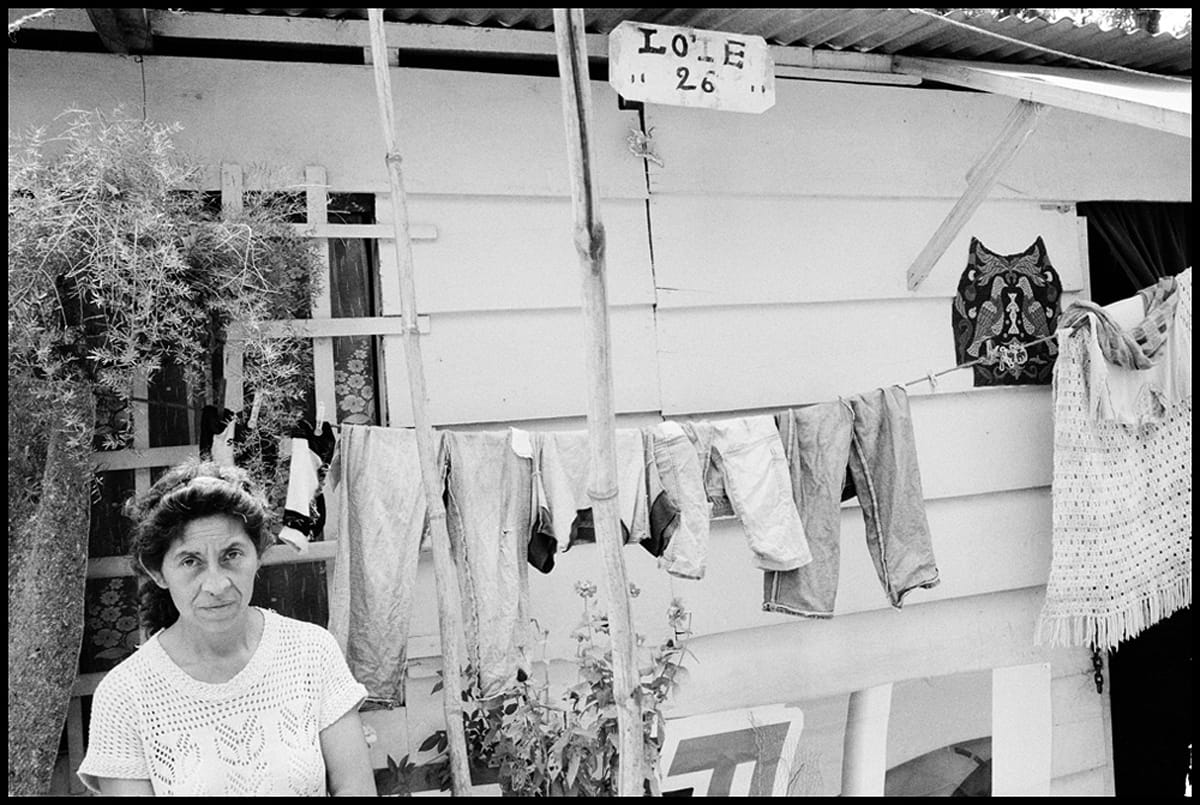
At the time, Guatemala City had a metropolitan population of roughly 2.5 million people. Approximately 10,500 people were living along the perimeter of the municipal garbage dump. Many survived by searching through the dump for food, glass, metal, plastic, and other materials that could be exchanged for a few pennies.
The number that stayed with me most was the number of children. Of the people living and working around the dump, roughly 6,500 were children. Many were not in school. Their days were shaped by labor, risk, and survival.
Nearly two decades later, the community around the landfill has not disappeared. Safe Passage/Camino Seguro, a nonprofit working with children and families in the neighborhoods surrounding the Guatemala City landfill, describes the surrounding area as home to roughly 60,000 residents. The organization provides education, wellness, and community programs for families living near the landfill.
Current child-labor reporting also makes clear that the broader problem persists. Children working in garbage dumps remain part of Guatemala’s child-labor landscape, and garbage-dump work is treated as hazardous under Guatemalan law.
Those facts describe the conditions. They do not fully describe the people.
As I moved through the community and photographed the people who lived there, four ideas kept returning to me:
family, community, love, and connection.
I returned home to one of the world’s wealthiest industrialized nations. The contrast stayed with me. I did not witness the same sense of community and connection that I had experienced in the Guatemalan dump.